

When it comes to managing diesel fuel for your business or personal use, one of the most critical decisions you'll make is choosing the right size of a diesel storage tank. As a trusted Diesel Storage Tank supplier, I understand the complexities involved in this choice and the impact it can have on your operations. In this blog post, I'll guide you through the key factors to consider when selecting the appropriate tank size, ensuring that you make an informed decision that meets your specific needs.
Understanding Your Diesel Consumption
The first step in choosing the right tank size is to have a clear understanding of your diesel consumption. This involves analyzing your historical usage data, if available, to determine the average amount of diesel you use over a given period. Consider factors such as the number of vehicles or equipment that rely on diesel, their fuel efficiency, and the frequency of use.
For example, if you operate a fleet of trucks for a delivery service, you'll need to calculate the total diesel consumption based on the mileage each truck covers and its fuel consumption rate. On the other hand, if you use diesel generators for backup power at a construction site, you'll need to estimate the hours of operation and the generator's fuel consumption per hour.
By accurately assessing your diesel consumption, you can determine the minimum amount of fuel you need to store to meet your daily, weekly, or monthly requirements. This will help you avoid running out of fuel during critical periods and ensure the smooth operation of your business.
Considering Storage Capacity Requirements
Once you have a clear understanding of your diesel consumption, the next step is to consider your storage capacity requirements. This involves evaluating factors such as the frequency of fuel deliveries, the availability of storage space, and your budget.
If you have access to regular fuel deliveries, you may be able to get away with a smaller tank size. However, if you're located in a remote area or have limited access to fuel suppliers, you'll need to store a larger amount of diesel to ensure a continuous supply.
In addition to the frequency of fuel deliveries, you'll also need to consider the available storage space. Diesel storage tanks come in a variety of sizes and shapes, so you'll need to choose a tank that fits within the available space at your facility. Make sure to measure the area where you plan to install the tank and consider any clearance requirements for maintenance and safety.
Your budget is another important factor to consider when choosing a diesel storage tank. Larger tanks generally cost more than smaller ones, so you'll need to balance your storage capacity requirements with your budget. However, it's important to remember that investing in a high-quality tank can save you money in the long run by reducing the risk of fuel spills, leaks, and other costly issues.
Evaluating Safety and Regulatory Requirements
Safety is always a top priority when it comes to storing diesel fuel. Diesel is a flammable liquid, so it's important to choose a tank that meets all relevant safety and regulatory requirements.
When selecting a diesel storage tank, look for tanks that are made from high-quality materials, such as steel or fiberglass, and are designed to withstand the rigors of long-term use. Make sure the tank has a secure lid or cover to prevent spills and leaks, and that it's equipped with appropriate safety features, such as overfill protection and emergency shut-off valves.
In addition to safety features, you'll also need to ensure that your diesel storage tank complies with all relevant local, state, and federal regulations. This may include obtaining the necessary permits and approvals, installing the tank in a safe location, and implementing appropriate spill prevention and response measures.
As a Diesel Storage Tank supplier, I can provide you with detailed information about the safety and regulatory requirements for storing diesel fuel in your area. I can also help you choose a tank that meets all relevant standards and ensure that it's installed and maintained properly.
Assessing Future Growth and Expansion
When choosing a diesel storage tank, it's important to consider your future growth and expansion plans. If you expect your diesel consumption to increase in the future, you may want to choose a larger tank size to accommodate this growth.
For example, if you're planning to expand your fleet of vehicles or equipment, you'll need to store more diesel to meet the increased demand. Similarly, if you're planning to open a new facility or branch, you'll need to install a new diesel storage tank to ensure a continuous supply of fuel.
By considering your future growth and expansion plans, you can choose a diesel storage tank that provides the flexibility and capacity you need to meet your changing needs. This will help you avoid the need to replace your tank in the future and ensure that your investment provides long-term value.
Comparing Different Tank Sizes and Types
Once you have considered all the factors mentioned above, it's time to compare different tank sizes and types to find the one that best meets your needs. Diesel storage tanks come in a variety of sizes, ranging from small portable tanks to large above-ground or underground tanks.
Small portable tanks are ideal for businesses or individuals who need to store a small amount of diesel for occasional use. These tanks are typically made from plastic or steel and can be easily transported and moved around.
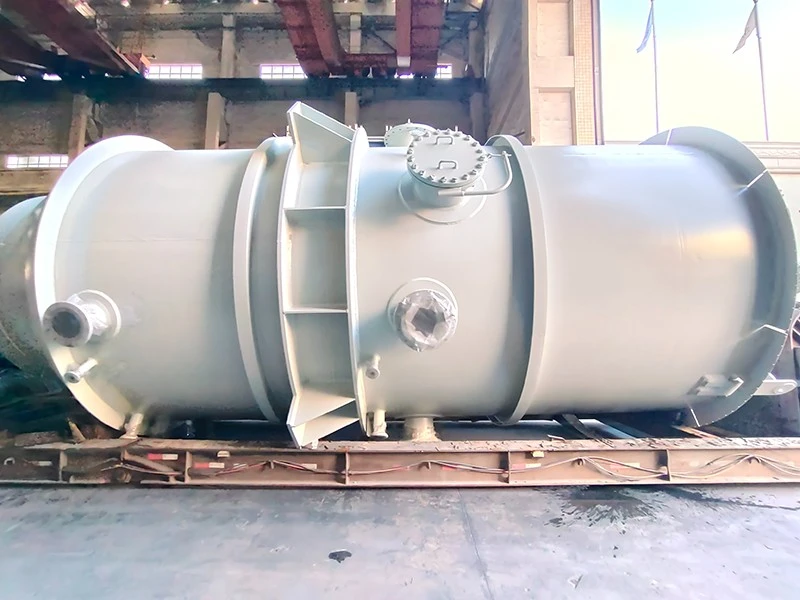
Above-ground tanks are a popular choice for businesses and industries that need to store a large amount of diesel. These tanks are typically made from steel and are installed on a concrete pad or foundation. Above-ground tanks are easy to install and maintain, and they offer easy access for fueling and monitoring.
Underground tanks are another option for storing diesel fuel. These tanks are typically made from fiberglass or steel and are installed below the ground surface. Underground tanks offer several advantages, including increased security, reduced environmental impact, and protection from extreme weather conditions. However, they are more expensive to install and maintain than above-ground tanks, and they require more complex installation procedures.
As a Diesel Storage Tank supplier, I can provide you with detailed information about the different tank sizes and types available and help you choose the one that best meets your needs. I can also provide you with a quote for the tank and installation services, so you can make an informed decision based on your budget and requirements.
Making an Informed Decision
Choosing the right size of a diesel storage tank is a critical decision that can have a significant impact on the operation of your business. By considering factors such as your diesel consumption, storage capacity requirements, safety and regulatory requirements, future growth and expansion plans, and the different tank sizes and types available, you can make an informed decision that meets your specific needs.

As a trusted Diesel Storage Tank supplier, I'm here to help you every step of the way. Whether you need a small portable tank for occasional use or a large above-ground or underground tank for your business, I can provide you with the high-quality products and services you need to ensure the safe and efficient storage of your diesel fuel.
If you're interested in learning more about our Diesel Storage Tanks or would like to discuss your specific requirements, please don't hesitate to [contact us]. We'll be happy to answer any questions you may have and provide you with a free quote.
References
- American Petroleum Institute (API). (2019). API Standard 650, Welded Steel Tanks for Oil Storage.
- National Fire Protection Association (NFPA). (2018). NFPA 30, Flammable and Combustible Liquids Code.
- Occupational Safety and Health Administration (OSHA). (2019). OSHA Standard 1910.106, Flammable and Combustible Liquids.