

As a supplier of steam heat exchangers, I understand the critical importance of ensuring these devices can adapt to different ambient temperatures. Steam heat exchangers play a pivotal role in various industrial processes, from power generation to chemical manufacturing, and their performance can be significantly affected by the surrounding environment. In this blog post, I will share some insights and strategies on how to adapt a steam heat exchanger to different ambient temperatures.
Understanding the Impact of Ambient Temperature on Steam Heat Exchangers
Before delving into the adaptation strategies, it is essential to understand how ambient temperature affects steam heat exchangers. The performance of a heat exchanger is primarily determined by the temperature difference between the hot and cold fluids and the heat transfer coefficient. Ambient temperature can influence both of these factors in several ways.
Firstly, the ambient temperature affects the temperature of the cold fluid. In many cases, the cold fluid is drawn from the surrounding environment, such as air or water. When the ambient temperature is low, the cold fluid temperature will also be low, resulting in a larger temperature difference between the hot and cold fluids. This can enhance the heat transfer rate and improve the efficiency of the heat exchanger. Conversely, when the ambient temperature is high, the cold fluid temperature will be higher, reducing the temperature difference and potentially decreasing the heat transfer efficiency.
Secondly, the ambient temperature can affect the heat transfer coefficient. The heat transfer coefficient is a measure of how easily heat can be transferred between the hot and cold fluids. It is influenced by factors such as the fluid properties, flow rate, and the design of the heat exchanger. Ambient temperature can affect the fluid properties, such as viscosity and thermal conductivity, which in turn can impact the heat transfer coefficient. For example, at low ambient temperatures, the viscosity of the fluid may increase, reducing the flow rate and the heat transfer coefficient.
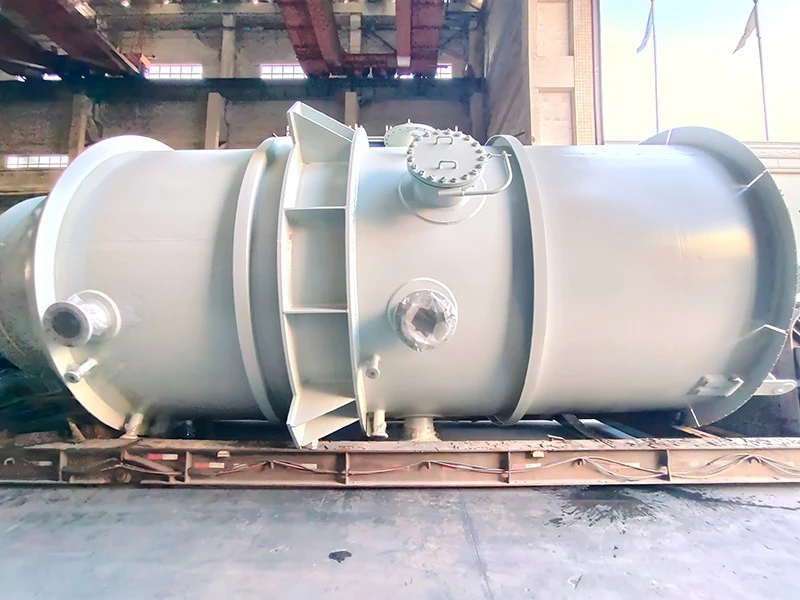

Strategies for Adapting Steam Heat Exchangers to Different Ambient Temperatures
To ensure the optimal performance of steam heat exchangers in different ambient temperatures, several strategies can be employed. These strategies can be broadly categorized into design considerations, operational adjustments, and maintenance practices.
Design Considerations
- Material Selection: The choice of materials for the heat exchanger can have a significant impact on its performance in different ambient temperatures. For example, in cold environments, materials with good thermal conductivity and low thermal expansion coefficients are preferred to ensure efficient heat transfer and prevent damage due to thermal stress. In hot environments, materials with high corrosion resistance and thermal stability are necessary to withstand the harsh conditions.
- Heat Exchanger Configuration: The configuration of the heat exchanger, such as the number of passes, tube diameter, and tube pitch, can also be optimized for different ambient temperatures. For example, in cold environments, a heat exchanger with a larger surface area and a higher number of passes may be required to achieve the desired heat transfer rate. In hot environments, a heat exchanger with a more compact design and better heat dissipation capabilities may be preferred.
- Insulation: Insulating the heat exchanger can help reduce heat loss or gain to the surrounding environment, especially in extreme ambient temperatures. Proper insulation can improve the energy efficiency of the heat exchanger and prevent condensation or freezing in cold environments.
Operational Adjustments
- Flow Rate Control: Adjusting the flow rate of the hot and cold fluids can help maintain the desired temperature difference and heat transfer rate in different ambient temperatures. For example, in cold environments, increasing the flow rate of the cold fluid can enhance the heat transfer efficiency. In hot environments, reducing the flow rate of the hot fluid can prevent overheating and improve the performance of the heat exchanger.
- Temperature Monitoring and Control: Installing temperature sensors and control systems can enable real-time monitoring and adjustment of the heat exchanger's performance. By continuously monitoring the temperatures of the hot and cold fluids, as well as the ambient temperature, the control system can automatically adjust the flow rates, steam pressure, or other operating parameters to optimize the heat transfer process.
- Steam Pressure Regulation: In steam heat exchangers, the steam pressure can have a significant impact on the heat transfer rate. By adjusting the steam pressure according to the ambient temperature, the heat exchanger can be operated at its optimal efficiency. For example, in cold environments, increasing the steam pressure can increase the temperature of the hot fluid and enhance the heat transfer rate.
Maintenance Practices
- Regular Cleaning and Inspection: Regular cleaning and inspection of the heat exchanger are essential to ensure its optimal performance in different ambient temperatures. Over time, dirt, scale, and other contaminants can accumulate on the heat transfer surfaces, reducing the heat transfer efficiency. By cleaning the heat exchanger regularly, these contaminants can be removed, restoring the heat transfer performance.
- Lubrication and Sealing: Proper lubrication and sealing of the moving parts and joints in the heat exchanger can prevent leaks and ensure smooth operation. In cold environments, using lubricants with low pour points and good cold flow properties is necessary to prevent freezing and damage to the equipment.
- Component Replacement: Over time, some components of the heat exchanger may wear out or become damaged due to the effects of ambient temperature and other factors. Regularly inspecting and replacing these components, such as gaskets, seals, and tubes, can help maintain the reliability and performance of the heat exchanger.
Additional Considerations
In addition to the above strategies, there are some other factors that need to be considered when adapting steam heat exchangers to different ambient temperatures.
- Compatibility with Other Equipment: The steam heat exchanger is often part of a larger system that includes other equipment, such as pumps, valves, and Compressed Air Storage Tank or Hydrogen Storage Tank. Ensuring the compatibility of the heat exchanger with these other components is crucial for the overall performance and reliability of the system.
- Safety Regulations: Different ambient temperatures may also have an impact on the safety requirements of the steam heat exchanger. For example, in cold environments, additional precautions may be needed to prevent freezing and bursting of the pipes and components. In hot environments, ensuring proper ventilation and cooling to prevent overheating and fire hazards is essential. Complying with the relevant safety regulations and standards is necessary to ensure the safe operation of the heat exchanger.
- Energy Efficiency: Adapting the steam heat exchanger to different ambient temperatures can also have implications for energy efficiency. By optimizing the heat transfer process and reducing energy consumption, the overall operating costs of the heat exchanger can be significantly reduced. This not only benefits the environment but also improves the economic viability of the industrial processes.
Conclusion
Adapting a steam heat exchanger to different ambient temperatures is a complex but essential task for ensuring its optimal performance and reliability. By understanding the impact of ambient temperature on the heat exchanger, implementing appropriate design considerations, operational adjustments, and maintenance practices, and considering other relevant factors, we can ensure that the heat exchanger can operate efficiently and effectively in a wide range of environmental conditions.
If you are in the market for a steam heat exchanger or need advice on adapting your existing heat exchanger to different ambient temperatures, please feel free to contact us. Our team of experts is dedicated to providing you with the best solutions and support to meet your specific needs. We look forward to the opportunity to work with you and help you achieve your goals.
References
- Incropera, F. P., & DeWitt, D. P. (2002). Fundamentals of Heat and Mass Transfer. John Wiley & Sons.
- Shah, R. K., & Sekulic, D. P. (2003). Fundamentals of Heat Exchanger Design. John Wiley & Sons.
- ASHRAE Handbook: Fundamentals. (2017). American Society of Heating, Refrigerating and Air-Conditioning Engineers.