


Why Choose Us?
Professional Team
We possess a high-tech and well-trained team consisting of over 260 employees, among whom there are 80 engineering and technical personnel (5 senior engineers and 50 professionals with junior and intermediate titles) and more than 100 certified welders.
Advanced Equipment
In addition to the high-quality production supporting equipment, the company is equipped with advanced and perfect inspection and testing equipment, pressure leakage test equipment, physical and chemical equipment, and a welding laboratory, etc.
Complete Product Range
Our products include heat exchanger, separator, reactor, storage tank, tower, cryogenic equipment, filters, chemical and alumina evaporator.
Quality Control
The company has passed ISO: 9001 standard quality system certification, ISO14001 environmental management system certification, and ISO45001.
What Is Stainless Steel Reactor
Stainless steel reactors are essential equipment in various industries, including chemical, pharmaceutical, biotechnology, and food processing. These versatile vessels are designed to withstand harsh conditions, corrosive materials, and extreme temperatures, making them indispensable for a wide range of applications.

Stainless Steel Jacketed Reactor
A stainless steel reactor is a type of industrial equipment used for carrying out chemical reactions or processes involving stainless steel materials.

A stainless reactor is a type of industrial equipment made from stainless steel, a durable and corrosion-resistant alloy.

It Is a kind of container for chemical reaction mainly made of stainless steel.

SS316 Reactor is made of 316 stainless steel with excellent corrosion resistance and high temperature stability.

Stainless Steel Chemical Reactor
A stainless steel chemical reactor is a vessel made of stainless steel, a durable and corrosion-resistant material.

High Pressure Stainless Steel Reactor
It is a stainless steel reactor that can withstand high pressure environment.

Glass Lined Stainless Steel Reactor
A glass-lined stainless steel reactor is a type of stainless steel chemical reactor that has a glass lining on its inner surface.


Stainless Steel Pressure Reactor
A stainless steel pressure reactor is a type of chemical reactor made from stainless steel.
Stainless steel reactors come in various types to cater to different industrial needs and applications. The most common types include:
1. Jacketed reactors
Jacketed reactors feature an outer jacket surrounding the reactor vessel, allowing for efficient heat transfer. This design enables precise temperature control by circulating heating or cooling media through the jacket. Jacketed reactors are widely used in processes that require precise temperature regulation, such as chemical synthesis, polymerization, and distillation.
2. Pressure reactors
Pressure reactors are designed to withstand high pressures, making them suitable for reactions that require elevated pressure conditions. These reactors are equipped with robust sealing mechanisms and reinforced walls to ensure safe operation under high-pressure environments. Pressure reactors are commonly used in hydrogenation, polymerization, and supercritical fluid extraction processes.
3. Agitated reactors
Agitated reactors feature an impeller or agitator system that promotes efficient mixing and dispersion of reactants. These reactors are essential for processes that require homogeneous blending, such as emulsification, suspension polymerization, and fermentation. Agitated reactors can be further classified based on the type of agitator used, such as anchor, turbine, or helical impeller.
4. Batch reactors
Batch reactors are designed for processing materials in discrete batches. These reactors are commonly used in the pharmaceutical, fine chemical, and specialty chemical industries, where precise control over reaction conditions and product quality is crucial. Batch reactors can be equipped with various features, such as heating/cooling jackets, agitation systems, and sampling ports, to facilitate efficient batch processing.
5. Continuous reactors
Continuous reactors are designed for continuous processing, where reactants are continuously fed into the reactor, and products are continuously removed. These reactors are commonly used in large-scale chemical production processes, such as polymer synthesis, petrochemical processing, and bulk chemical manufacturing. Continuous reactors offer high throughput and consistent product quality.
What Are the Uses of a Stainless Steel Reactor
Batch distillation
Batch distillation involves boiling and vaporizing, then cooling two liquids with different boiling points to create a highly concentrated product. Batch chemical processing, food and beverage, and pharmaceutical industries use this separation method the most compared to other distillation techniques.
Food and beverage manufacturers, use batch distillation to produce alcoholic beverages. Distillers pour a fermented grain and water mixture into a still or heating vessel to produce an alcohol-water mixture. They then raise the initial product's alcohol content through additional batch distillations and age it to create a final alcoholic beverage.
Pharmaceutical companies also use batch distillation to manufacture and check small quantities of drugs against product specifications and avoid producing large quantities of off-quality products.
Crystallization
Crystallization is the second most frequently used separation process after distillation. It involves removing the water-dissolved inorganic compounds of a liquid, solution, or gas to form a crystallized product. The solid result comprises an organized arrangement of molecules, ions, or atoms.
Process and pharmaceutical industries use this process to crystallize metal salts from highly concentrated solutions, treat wastewater, and remove free fluoride ions, calcium, magnesium, magnesium-ammonium, or potassium-magnesium phosphate. Crystallization is also a generic term for evaporative or cooling crystallization, precipitation, and melt crystallization.
Polymerization
Also known as polymer synthesis, polymerization combines monomers to produce polymers essential in making plastic products. Industrial polymer manufacturers use two classes of polymerization: condensation polymerization and addition polymerization.
Every step of the condensation polymerization process involves forming a molecule of simple compounds like water. Meanwhile, additional polymerization doesn't require by-products. It uses catalysts that control the structural details of monomers and, ultimately, affect the properties of polymers.
Industrial polymer manufacturers use different polymerization reactors, such as continuous, semi-batch, and batch reactors, in their production. They typically use batch reactors for small to intermediate batches of polymers or specialty grades. On the other hand, they use continuous reactors for large batches of commodity polymers polyolefins and high-impact polystyrene.
Hydrogenation
Food, petrochemical, and pharmaceutical industries use hydrogenation to process raw products, materials, or ingredients. They use nickel, platinum, and palladium catalysts to create the desired chemical reaction between molecular hydrogen and an element or compound. The process needs elevated temperatures and pressure to increase the hydrogen density and reaction rate.
Hydrogenated products include vegetable oil, ammonia, diesel, gasoline, isopropyl alcohol, drugs, margarine, polyols, various polymers, hydrogen chloride, and hydrogen peroxide.
Alkylation
Alkylation involves transferring an alkyl group from one molecule to another to produce petroleum. Here, the alkyl group turns into an alkyl carbocation, free radical, or carbanion.
This process also uses sulfuric or hydrofluoric acid catalysts to combine olefins with isobutane and create an alkylate product. The end product will have high-octane, branched-chain paraffin hydrocarbons that blend into a gasoline pool.
Why Do We Use Stainless Steel Reactors
Stainless steel reactors are widely used in various industries due to several key advantages:
● Corrosion Resistance: Stainless steel is highly resistant to corrosion, which is crucial when handling reactive chemicals, acids, and bases. This property extends the lifespan of the reactor and reduces maintenance costs.
● Durability: Stainless steel is a strong and durable material, capable of withstanding high pressures and temperatures. This makes it suitable for a wide range of chemical processes.
● Cleanliness and Hygiene: Stainless steel is easy to clean and sanitize, which is particularly important in food, pharmaceutical, and biotechnology industries where contamination must be minimized.
● Mechanical Properties: Stainless steel has excellent mechanical properties, including high tensile strength and toughness, making it suitable for various mechanical stresses during operation.
Ease of Fabrication
Stainless steel can be easily welded and formed into complex shapes, allowing for versatile designs that can optimize the reaction conditions.
Non-reactivity
Stainless steel does not react with most chemicals, which helps in maintaining the purity of the reactants and products.
Temperature Resistance
It can withstand a wide range of temperatures, making it ideal for processes that involve heating or cooling.
Aesthetic Appeal
Stainless steel has a shiny, attractive finish, which can be important for visible equipment in some industries.
Selecting the optimal stainless steel reactor requires careful consideration of several factors:
Material Compatibility
Ensure the reactor is compatible with the chemicals and materials used in your process to prevent corrosion or contamination.
Operating Conditions
Consider temperature, pressure, and agitation requirements specific to your process to select a reactor that can operate safely and efficiently under these conditions.
Capacity and Scale
Choose a reactor size that matches your production volume and scalability needs. Batch reactors are suitable for smaller quantities, while continuous flow reactors offer higher throughput for large-scale production.
Customization and Accessories
Evaluate the availability of customization options such as additional ports, instrumentation, and control systems to tailor the reactor to your operational requirements.
Compliance and Certification
Ensure the reactor meets industry standards and regulatory requirements for safety, quality, and environmental compliance.
Manufacturing Stainless Steel Reactors
Manufacturing stainless steel reactors follows industrial standards and involves several stages. The manufacturing process typically includes the following steps:
Design Stage: The manufacturing process begins with the design phase. A design is developed based on the client's needs and requirements, encompassing details such as the reactor's dimensions, capacity, pressure resistance, temperature tolerance, and other technical specifications.
Material Selection: Stainless steel is commonly chosen for manufacturing stainless steel reactors due to its durability, corrosion resistance, and functionality. Selecting high-quality materials ensures the longevity of the reactor.
Manufacturing Stage: Once the design is approved and materials are selected, the manufacturing process commences. This involves various operations such as cutting, welding, bending, assembly, etc. The manufacturing process includes quality control and testing stages to ensure compliance with standards and safety.
Testing and Quality Control: At the end of the manufacturing process, stainless steel reactors undergo various tests. Pressure tests, leak tests, material analyses, among others, are conducted to verify the reactor's safety and functionality. Rigorous quality control ensures that the reactor is ready for use.
Stainless Steel Reactor Maintenance Guide: Ensuring Safe & Smooth Operations
Stainless steel reactor (SSR) vessels are workhorses in many industries. Proper reactor maintenance is crucial for their longevity, optimal performance, and most importantly, safety.
Cleaning for Optimal Performance:
● Regularly remove residual substances, sediments, and contaminants
● Drain the vessel completely
● Rinse with clean water
● Use appropriate cleaning agents for stainless steel
● Scrub gently with non-abrasive materials to avoid scratches
● Thoroughly rinse and dry to prevent moisture build-up and corrosion
Inspection for Peace of Mind:
● Identify potential problems before they escalate, ensuring vessel integrity
● Inspect external surfaces for corrosion, discoloration, or dents
● Check welded joints for cracks or leaks
● Utilize specialized equipment to assess internal surfaces for wear, scaling, or pitting
● Check Hub fitting on shaft for optimal performance at operating agitator speed
Preventive Maintenance for Longevity:
● Proactive measures extend the life of your SSRs and prevent costly downtime
● Monitor temperature and pressure levels during operation
● Lubricate moving parts to prevent wear
● Replace worn gaskets, seals, or O-rings promptly
● Conduct pressure tests periodically to verify vessel integrity
● Follow manufacturer-recommended maintenance schedules
Safety First:
● Prioritize safety when working with SSRs
● Use proper handling procedures and safety gear
● Ensure ventilation and gas detection in enclosed areas
● Train personnel on emergency protocols and response procedures
● Maintain accurate records of maintenance, inspections, and repairs
Zhangjiagang Changshou Industrial Equipment Manufacturing Co., Ltd
The company has a registered capital of RMB 80 million and a production base area of 35,000 square meters., and a high-tech and well-trained team of more than 260 employees, including 80 engineering and technical personnel (5 senior engineers and 50 professionals with junior and intermediate titles) and more than 100 certified welders. These employees have the extensive experience in the manufacturing and installation of pressure vessels and the on-site manufacturing of large equipment. In addition to the high-quality production supporting equipment, the company has the advanced and perfect inspection and testing equipment, pressure leakage test equipment, physical and chemical equipment, welding laboratory and so on.


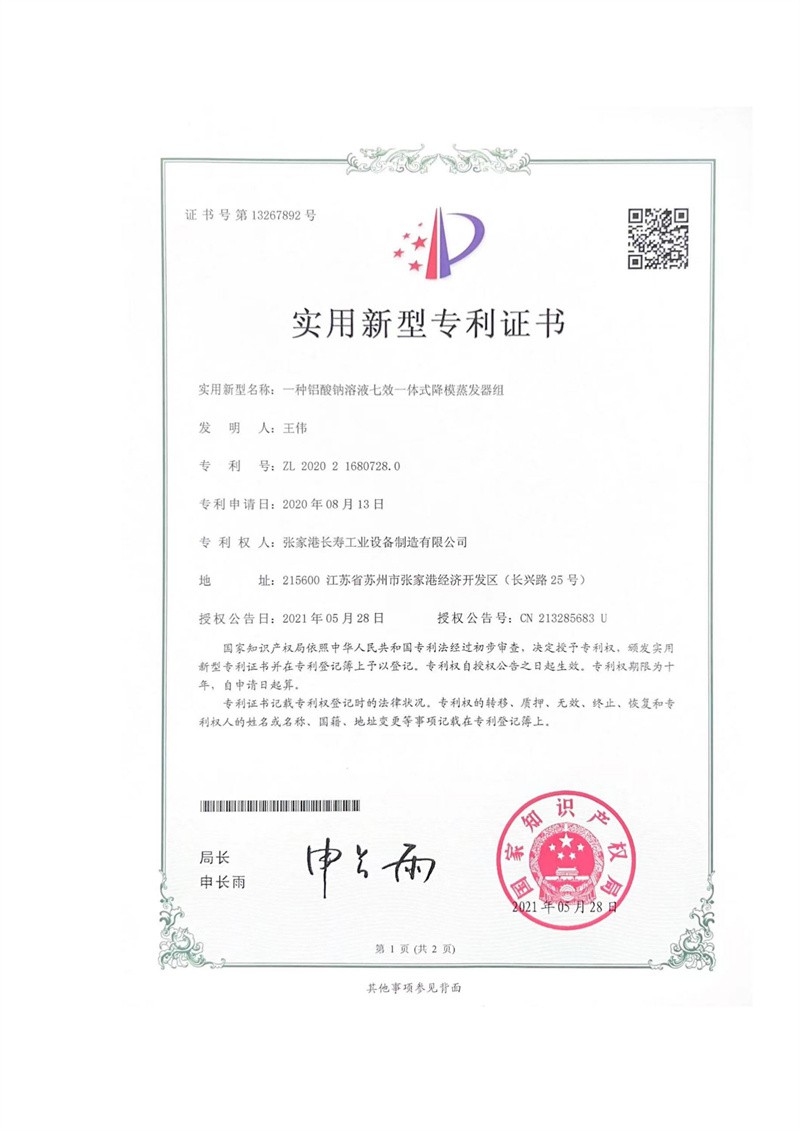
Our Certificate



FAQ
Hot Tags: stainless steel reactor, China stainless steel reactor manufacturers, suppliers, factory, reactor semiconductors, reactor data analysis, reactor cyber security, reactor rectifiers, reactor optimization, reactor warehousing


